
IP network cameras for live monitoring, surveillance, and flexible site documentation.
Professional surveillance cameras for live monitoring and flexible site documentation. Continuous live video, remote pan-tilt-zoom (PTZ) control, interval capture, and streams compatible with most video management systems — all on enterprise-grade network camera hardware with flexible site connectivity.
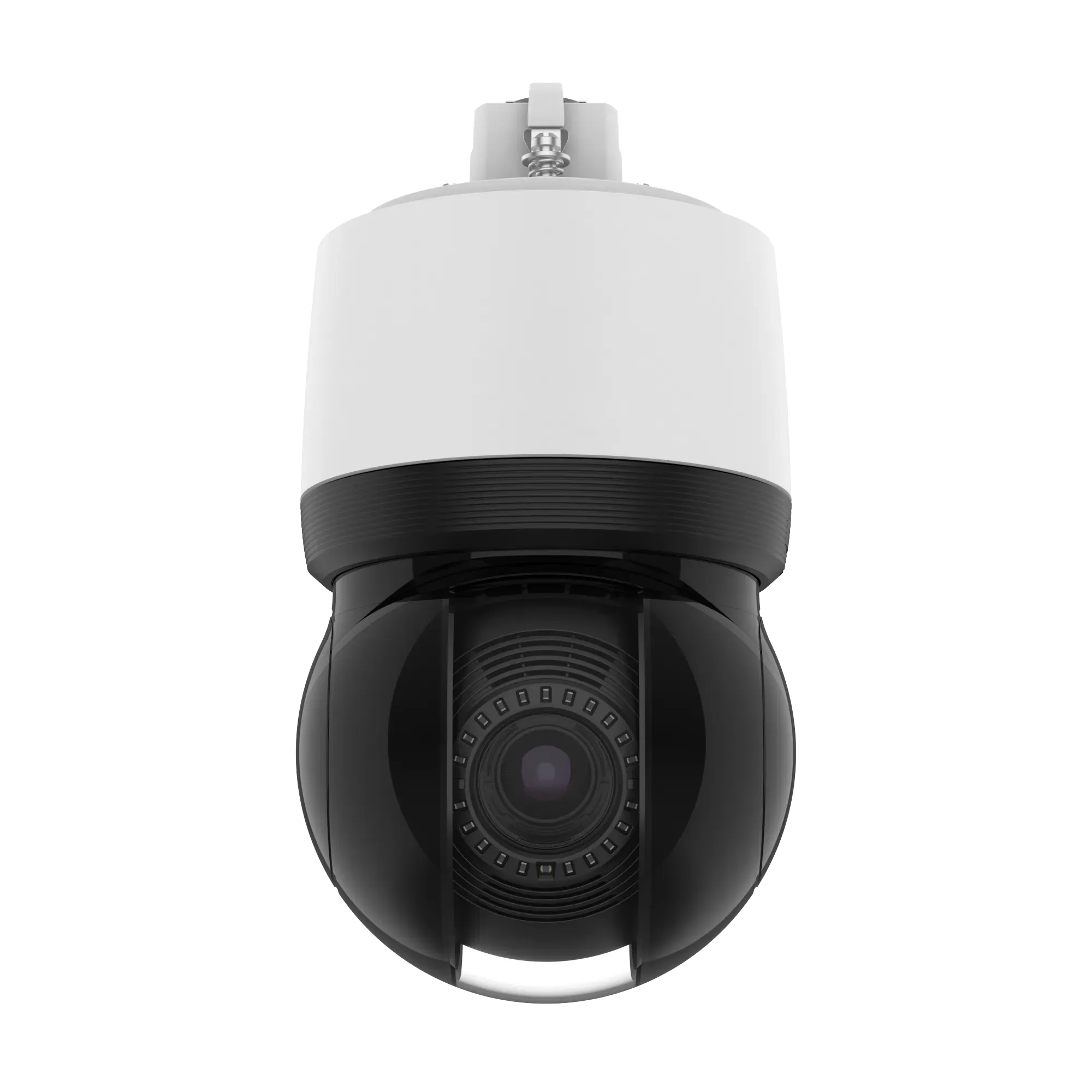
LSS cameras are deployed as part of CEECAM's managed streaming service. Hardware is supplied under a CEECAM service agreement — purchase, lease, or rental. Learn about the managed service
What’s in the system
Camera
Professional IP PTZ network camera — LSS-8, LSS-6, or LSS-2
Network Uplink
Cellular is the default. Satellite, point-to-point wireless, or wired where the site requires it
Power Supply
120/240V AC with surge protection
Mounting Hardware
Pole, wall, or parapet mount
Available models
- LSS-8 Stylized logo placeholder for LSS-8LSS-8Flagship sensor1/1.8″ sensor
Largest LSS sensor — best low-light performance and widest dynamic range.
- LSS-6 Stylized logo placeholder for LSS-6LSS-6Balanced sensor1/2″ sensor
Mid-tier sensor balancing coverage, detail, and deployment cost.
- LSS-2 Stylized logo placeholder for LSS-2LSS-2Core sensor1/2.8″ sensor
Entry-tier sensor for standard live-stream coverage on well-lit sites.
Overview
LSS is CEECAM's jack-of-all-trades camera. Built on professional network camera hardware, a single LSS unit handles continuous live video, on-demand pan-tilt-zoom (PTZ) framing, scheduled interval capture, and streams compatible with most video management systems (VMS) — one camera, multiple jobs. The trade-off is sensor resolution: LSS is surveillance-grade, not documentation-grade. When pixel count and image quality matter most, use TLS. When coverage, live view, PTZ flexibility, or security-camera capabilities matter more, use LSS.
IP surveillance foundation
Enterprise-grade network cameras — the same hardware class used for professional site security and video management deployments.
Continuous live video
Always-on streaming into CeePlayer. Cellular is the default. Satellite, point-to-point wireless, or wired where the site requires it. No site network setup required.
Interval capture too
The same LSS unit can be scheduled for interval captures when a project needs light documentation alongside monitoring.
VMS / ONVIF ready
Standard IP camera protocols (including ONVIF) let LSS feeds connect to your existing camera management platform, security system, or third-party monitoring service.

Runs on CeePlayer
Live, and steerable from your desk
LSS streams into CeePlayer the day it is installed. Pan, tilt and zoom from the browser, drop back into the archive to check last Tuesday, and share a link without giving anyone an account.
See CeePlayer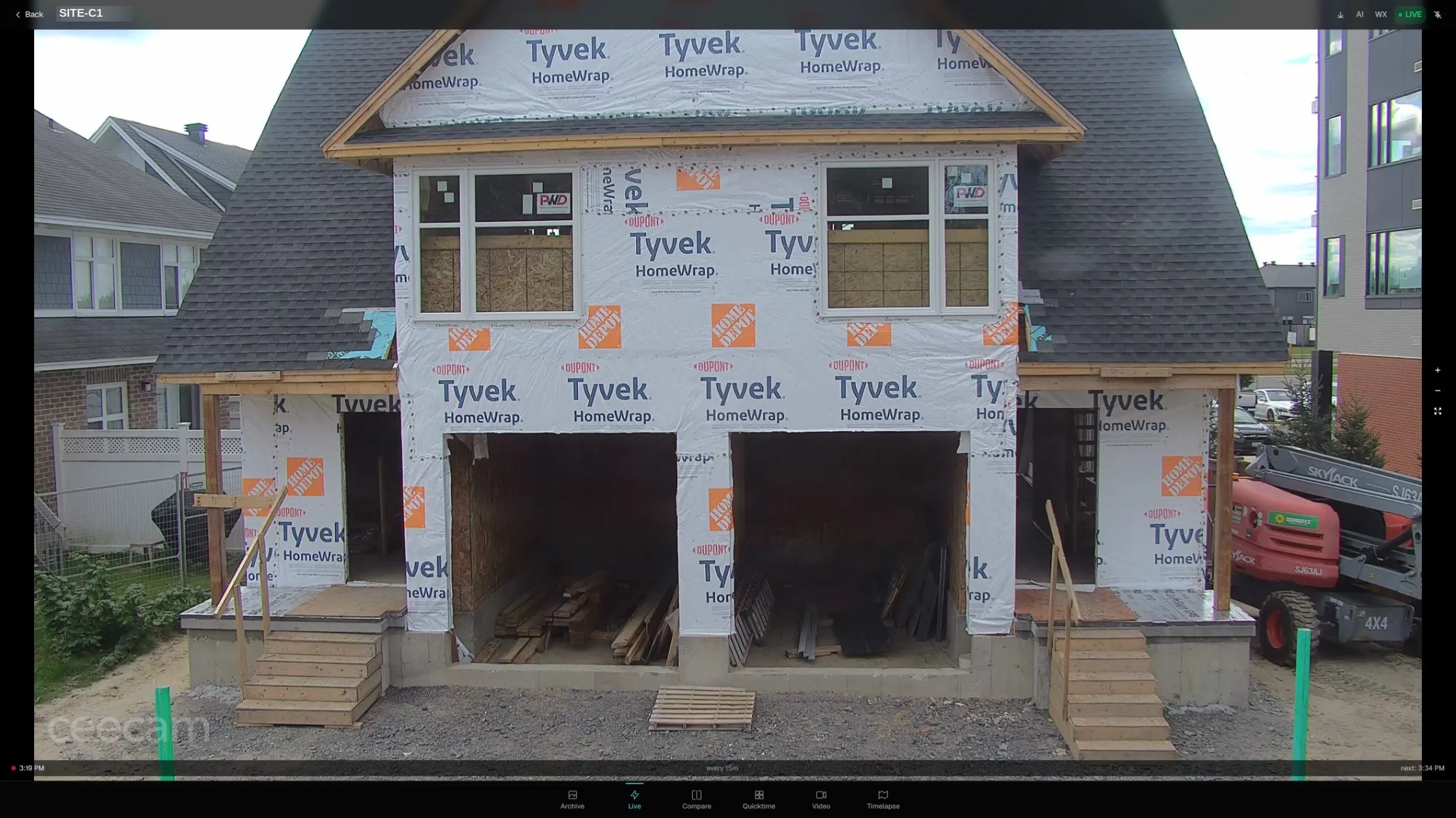
Frequently asked
Common questions
Answers to what estimators, engineers, and project teams ask most.
What's the difference between TLS and LSS?
Can LSS cameras do time-lapse documentation?
Why would I use LSS instead of TLS?
Are LSS feeds compatible with our VMS or security system?
Can I control pan, tilt, and zoom remotely?
Is recorded footage available after the fact?
What resolution does LSS capture at?
Do LSS cameras work on rural or no-internet sites?
Can I purchase LSS hardware?
Other systems
See all productsTime-Lapse Cameras
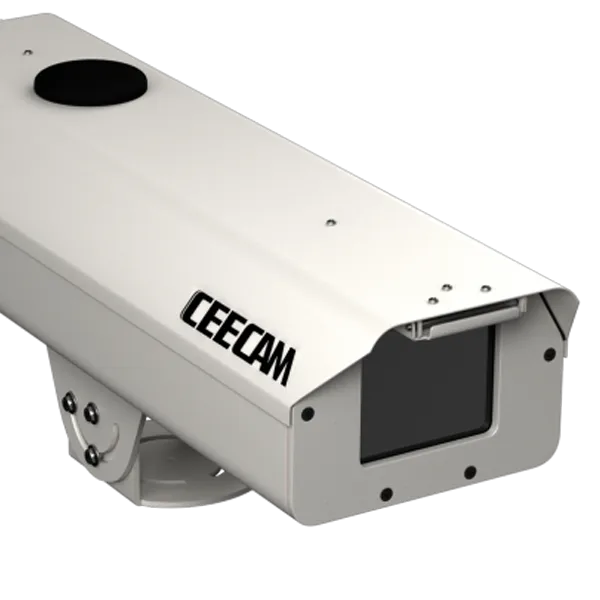
Professional DSLR construction time-lapse cameras in weatherproof housings with integrated microcontroller, network uplink, and power supply. Available in 24MP, 42MP, and 62MP fixed and pan-tilt-zoom (PTZ) configurations.
Accessories
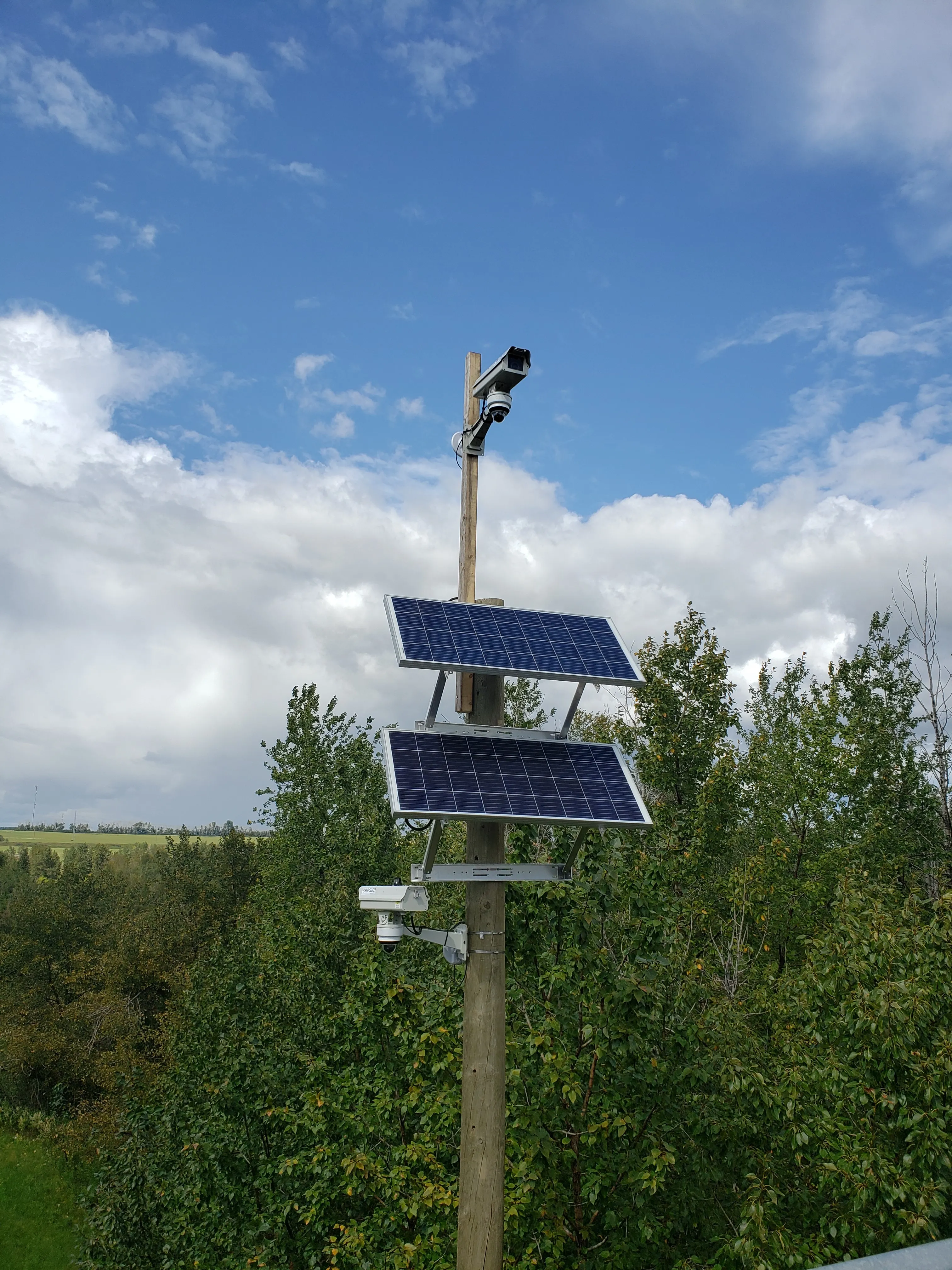
Solar power systems, mounting brackets, pole mounts, and support hardware for CEECAM camera and security deployments. Every accessory is selected and configured by CEECAM as part of a turn-key installation.
Ready to put CEECAM on your next project?
We’ll scope the right system combination for your job site.